
5mm frosted glass
Understanding Taper Thread Plug Gauges A Comprehensive Overview In the world of manufacturing and engineering, precision is paramount. Taper thread plug gauges play a crucial role in ensuring that threaded components meet specific dimensional and functional criteria. This article aims to provide a detailed understanding of taper thread plug gauges, their significance, applications, and benefits. What is a Taper Thread Plug Gauge? A taper thread plug gauge is a precision tool used to check the dimensional accuracy of tapered threads. Tapered threads are commonly utilized in various applications, such as plumbing, hydraulic systems, and machinery assembly. The most internationally recognized taper thread specification is the National Pipe Taper (NPT) standard, which is used in the United States for creating a seal in piping systems. The taper thread plug gauge is designed to fit into the female taper thread to verify its specifications. It typically has two sides a go side and a no-go side. The go side is slightly larger, allowing it to fit into the acceptable thread, while the no-go side has a slightly reduced diameter, ensuring that threads that are out of specification cannot accommodate it. Importance of Taper Thread Plug Gauges 1. Quality Assurance Taper thread plug gauges are essential for quality control in manufacturing processes. They help manufacturers ensure that the threaded connections will provide a proper seal, reducing the risk of leaks and failures. 2. Interchangeability The use of taper thread plug gauges facilitates the interchangeability of parts. When all components conform to established standards, they can seamlessly replace one another, which is vital in maintenance and repair applications. 3. Efficiency in Production By using plug gauges, manufacturers can quickly and efficiently assess whether their products meet the required specifications, reducing production time and minimizing waste from rejected components. 4. Safety In high-pressure systems and critical applications, the integrity of threaded connections is vital for safety. Gauging ensures that any potential defects are caught before they lead to catastrophic failures. Applications of Taper Thread Plug Gauges Taper thread plug gauges are widely utilized across various industries taper thread plug gauge 1. Oil and Gas In the oil and gas industry, where high-pressure and tight-seal requirements are paramount, taper thread plug gauges are extensively used for ensuring the reliability of threaded connections in pipelines and equipment. 2. Manufacturing In general manufacturing, these gauges are used to check the dimensions of threaded components before they are assembled into larger systems, ensuring that they meet industry standards. 3. Aerospace The aerospace sector demands high precision; therefore, taper thread plug gauges play an integral role in verifying the integrity and accuracy of threaded connections in aircraft and spacecraft components. 4. Automotive In the automotive industry, where threaded parts are abundant, taper thread plug gauges are employed to maintain quality standards in the production of engines, transmissions, and hydraulic systems. Benefits of Using Taper Thread Plug Gauges 1. Increased Accuracy By regularly using taper thread plug gauges, manufacturers can consistently achieve a higher degree of precision in their threaded components. 2. Cost-Effectiveness While there is an initial investment in quality gauges, the long-term savings from reduced rework, improved product quality, and minimized downtime make them a cost-effective solution. 3. Streamlined Processes Gauges simplify the gauging process, enabling faster inspections and allowing manufacturers to maintain production schedules effectively. 4. Enhanced Competitiveness Companies that utilize taper thread plug gauges can improve their product reliability and quality, leading to increased customer trust and a stronger competitive position in the market. Conclusion Taper thread plug gauges are indispensable tools in industries that rely on precision-engineered threaded components. By ensuring the dimensional accuracy and integrity of taper threads, these gauges not only enhance product quality but also contribute significantly to operational efficiency and safety. As industries continue to evolve, the importance of maintaining rigorous quality control through tools like taper thread plug gauges will remain paramount.
about
5mm frosted glass
Using a Thread Gauge An Essential Tool for Precision Measurement In various fields of engineering, manufacturing, and construction, precise measurements are paramount. One of the indispensable tools to achieve this accuracy is the thread gauge. This instrument is essential for anyone who works with threaded components, as it aids in verifying the size and pitch of threads. In this article, we will explore what a thread gauge is, the types available, and how to effectively use it. Understanding Thread Gauges A thread gauge, also known as a thread pitch gauge, is a tool designed to measure the pitch and diameter of screw threads. It consists of a series of metal plates or blades, each featuring different thread profiles. These profiles correspond to various standard thread patterns, allowing users to identify the thread type and size quickly. There are two primary types of thread gauges the pitch gauge and the screw gauge. The pitch gauge typically features blades with cutouts that represent different pitches (the distance between the threads), while a screw gauge comes with a set of fixed sizes that can be matched against the thread to identify its dimensions. The Importance of Using a Thread Gauge Using a thread gauge is crucial for multiple reasons. Firstly, it ensures compatibility between threaded components. When assembling machinery or structures, components must fit together perfectly to avoid malfunctions. An incorrect thread size can lead to issues such as stripped threads, misalignment, or even catastrophic failure under load. Secondly, a thread gauge helps maintain quality control in manufacturing. By regularly checking the dimensions of threaded components, manufacturers can ensure that they consistently produce parts that meet industry standards and specifications. This attention to detail not only boosts product reliability but also enhances safety for end-users. How to Use a Thread Gauge using a thread gauge Using a thread gauge is a straightforward process, but precision is key. Here are the steps to effectively use a thread gauge 1. Clean the Thread Before measuring, ensure that the threaded surface is clean and free of debris. Dirt or corrosion can affect the accuracy of your measurements. 2. Select the Appropriate Blade Take the thread gauge and select a blade that you believe matches the thread pitch of the component you are measuring. If unsure, it’s advisable to try several blades until you find one that fits snugly. 3. Fit the Gauge Gently insert the selected blade into the threads of the component. It should slide in easily but fit tightly without any gaps. If it fits perfectly, you have identified the correct pitch. 4. Read the Measurement Once you have determined the right blade, read the measurement marked on it. This will indicate the thread pitch (e.g., 1.0 mm, 1.5 mm) and can also assist in identifying the thread type (e.g., metric, UNC, UNF). 5. Check for Diameter If necessary, use a screw gauge to measure the diameter of the thread for a complete assessment. Matching both pitch and diameter ensures accurate identification of the thread specification. Conclusion In conclusion, a thread gauge is a vital tool for anyone involved in works that require threaded components. Its ability to quickly and accurately measure thread pitch and diameter plays a critical role in ensuring compatibility and maintaining quality standards. By following the correct procedures for using a thread gauge, users can enhance their workmanship and contribute to the overall efficacy of their projects. Whether you are a seasoned professional or a hobbyist, incorporating a thread gauge into your toolkit can make a significant difference in the precision of your work.
-

High quality industrial productsagement

High quality industrial products
View Details -

Meet the diverse needs of customers

Meet the diverse needs of customers
View Details -

Strict quality control

Strict quality control
View Details -

Top raw materials

Top raw materials
View Details -

Trusted supplier

Trusted supplier
View Details
Our application

news and information

Versatile and Durable Metal Angle Brackets for Adjustable Applications in Home and Industrial Projec
The Versatility and Utility of Adjustable Metal Angle Brackets In the world of construction and DIY
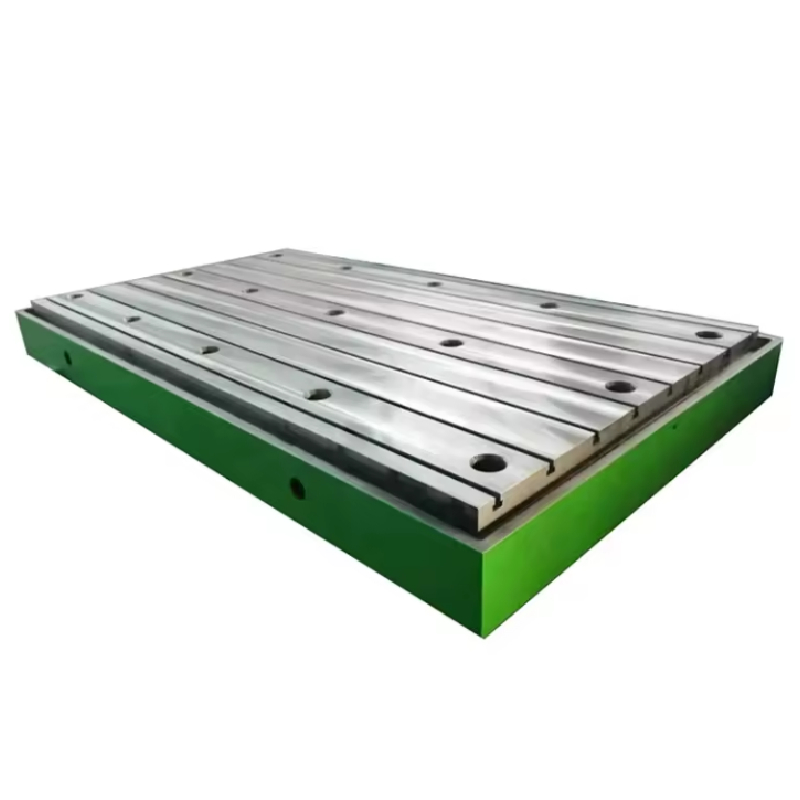
Versatile Welding Table Clamps for Secure and Efficient Metalworking Projects
The Versatility of 5 8% Welding Table Clamps Welding is a critical process in numerous industries, r
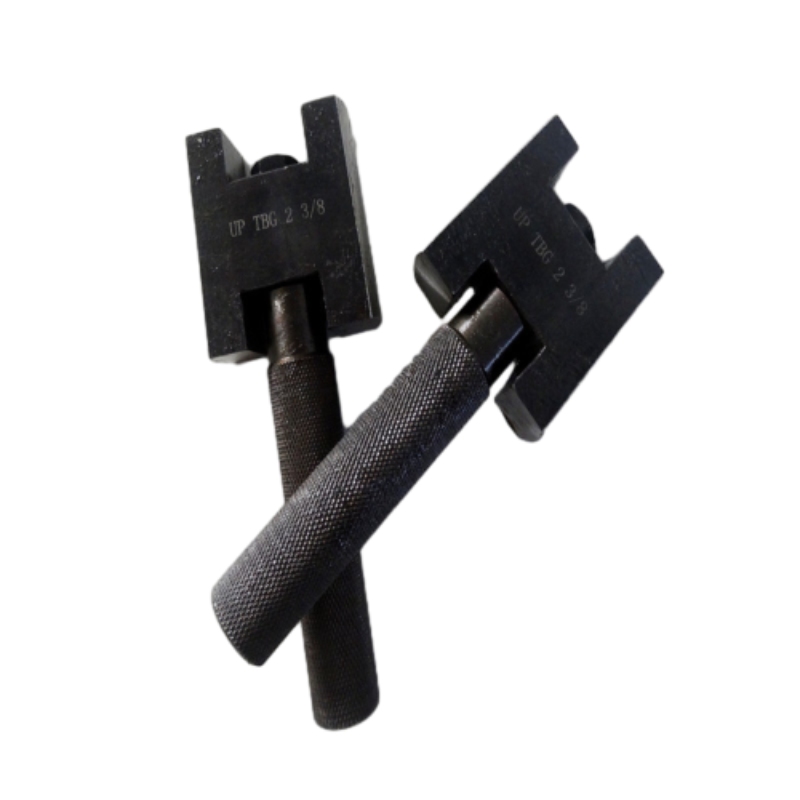
what is water valve
Understanding Water Valves Essential Components for Fluid Control Water valves are crucial devices i
 English